Ledger Live Login: Your Complete Guide to Secure Cryptocurrency Access
With the rise of cryptocurrency, securely managing digital assets is more important than ever. Ledger Live is the official software companion for Ledger hardware wallets, including the Ledger Nano S and Ledger Nano X. It allows users to manage multiple cryptocurrencies, track their portfolio, stake supported assets, and perform secure transactions—all while keeping private keys offline.
Logging into Ledger Live is a fundamental step for anyone using a Ledger device. Unlike traditional web accounts, Ledger Live login relies on hardware authentication and optional software-level security. This guide provides a comprehensive overview of Ledger Live login, its security features, step-by-step setup, common issues, troubleshooting tips, and best practices to ensure safe access to your cryptocurrencies.
What Is Ledger Live?
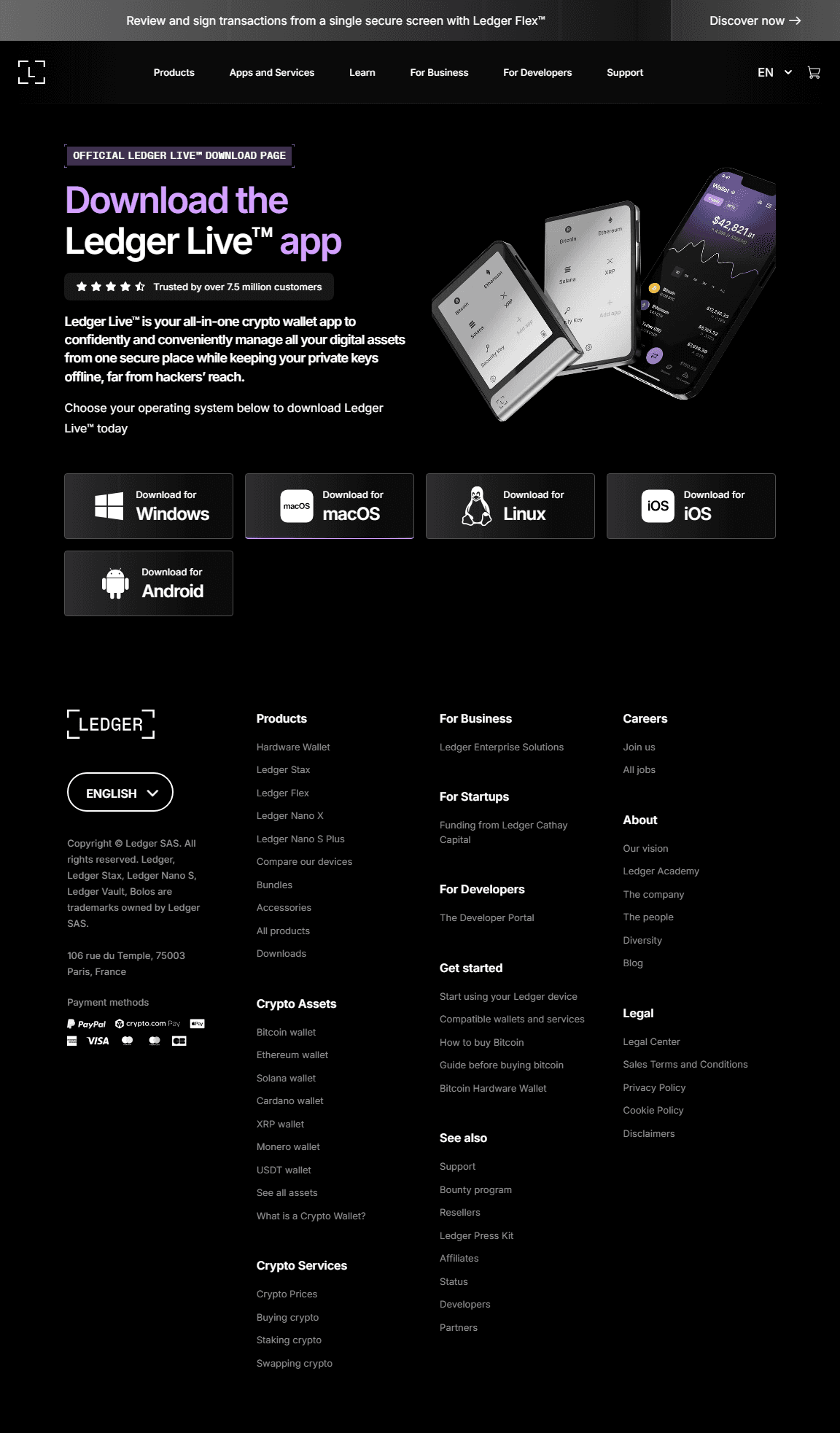
Ledger Live is a cross-platform application that serves as the interface between a Ledger hardware wallet and the cryptocurrency ecosystem. Available for desktop (Windows, macOS, Linux) and mobile devices (iOS/Android), Ledger Live provides a secure and user-friendly environment for managing digital assets.
Key Functions Include:
Monitoring and tracking cryptocurrency portfolios in real-time.
Sending and receiving multiple cryptocurrencies securely.
Staking supported assets to earn rewards.
Managing Ledger device firmware and installing cryptocurrency-specific apps.
Swapping cryptocurrencies using integrated exchange services.
Ledger Live supports hundreds of cryptocurrencies, including Bitcoin (BTC), Ethereum (ETH), Litecoin (LTC), and numerous ERC-20 tokens. By combining software convenience with hardware security, Ledger Live ensures maximum safety for digital assets.
How Ledger Live Login Works
Ledger Live login differs significantly from conventional online platforms:
Device Authentication: Access requires physical confirmation on the Ledger hardware device.
Optional App Password: On desktop, you can set a password to protect the Ledger Live application from unauthorized access.
Biometric Authentication: Mobile users can use fingerprint or facial recognition for added convenience.
This approach ensures that private keys never leave the Ledger device, even during login or transaction operations. Unlike traditional email/password-based logins, Ledger Live prioritizes offline security.
Step-by-Step Ledger Live Login Guide
Step 1: Download Ledger Live
Navigate to the official Ledger website or verified app stores.
Download Ledger Live for your operating system (desktop or mobile).
Verify the download source to avoid phishing or malicious software.
Install the application following on-screen instructions.
Step 2: Connect Your Ledger Device
Connect the Ledger Nano S or Nano X to your computer using USB (or Bluetooth for Nano X).
Enter your device PIN code to unlock it.
Open Ledger Live and select “Get Started.”
Step 3: Initialize or Restore Your Wallet
New Users: Create a new wallet using Ledger Live prompts.
Existing Users: Restore wallet access using the 24-word recovery phrase from your Ledger device.
Step 4: Add Cryptocurrency Accounts
Ledger Live organizes cryptocurrencies into separate accounts. To add an account:
Select the desired cryptocurrency from the supported list.
Ledger Live communicates with your device to fetch the public address.
Confirm the account on your Ledger device.
Once accounts are added, you can view balances, send or receive funds, and stake assets.
Step 5: Secure App Login
Desktop Users: Set a Ledger Live password for additional protection.
Mobile Users: Enable fingerprint or Face ID authentication for fast, secure access.
Despite software-level protections, all transactions still require confirmation directly on the Ledger device, ensuring maximum security.
Security Features of Ledger Live Login
Ledger Live login incorporates multiple layers of protection:
Hardware Authentication: Physical confirmation on the Ledger device is required for login and transactions.
PIN Protection: Prevents unauthorized access to the Ledger wallet itself.
Recovery Phrase: The 24-word recovery phrase allows full wallet restoration if the device is lost.
App-Level Password: Protects Ledger Live from unauthorized access on desktop computers.
Biometric Authentication: Mobile users can enable fingerprint or facial recognition for added convenience and security.
These features make Ledger Live one of the most secure methods for accessing cryptocurrency wallets.
Why Ledger Live Login Is Different
Ledger Live login is unique compared to conventional online platforms:
No Email or Password Needed: Authentication relies on the Ledger device rather than cloud-based credentials.
Private Keys Stay Offline: Even during login or transactions, private keys never leave the device.
Transaction Verification on Device: Every action must be confirmed on the hardware wallet.
Optional Biometric and App Password Protections: Additional security layers without compromising offline key storage.
This model ensures both usability and maximum protection for your assets.
Common Login Issues and Solutions
Despite its simplicity, users may encounter issues. Common problems and their solutions include:
Device Not Recognized
Ensure the USB connection is secure or try another cable/port.
Unlock the Ledger device with the correct PIN.
Update Ledger Live to the latest version.
Ledger Live Freezes or Crashes
Restart the application and reconnect the device.
Clear cache or reinstall Ledger Live.
Confirm OS compatibility with the current Ledger Live version.
Forgotten PIN
Entering the wrong PIN three times resets the Ledger device.
Restore wallet access using the 24-word recovery phrase.
Forgotten Ledger Live Password
Reset the application by reinstalling Ledger Live.
Accounts can always be recovered using the recovery phrase.
Pending Transactions
Verify recipient addresses and network fees.
Check blockchain explorers for transaction confirmation status.
Best Practices for Ledger Live Login
Store Recovery Phrase Offline: Never save it digitally or online.
Use a Strong Device PIN: Avoid predictable codes.
Set Ledger Live Password: Add a layer of protection on desktop.
Enable Biometric Login: Fingerprint or Face ID for mobile devices improves security.
Keep Software Updated: Regularly update Ledger Live and device firmware.
Verify Transactions on Device: Always confirm amounts and addresses directly.
Use Secure Networks: Avoid public Wi-Fi when logging in or making transactions.
Following these steps ensures that your cryptocurrency remains safe while using Ledger Live.
Benefits of Ledger Live Login
Maximum Security: Combines hardware device authentication with software protections.
Offline Key Storage: Private keys never leave the Ledger device.
User-Friendly: Biometric login and optional passwords enhance convenience.
Portfolio Overview: Manage multiple cryptocurrencies from one interface.
Safe Transactions: Sending, receiving, and staking require device confirmation.
Ledger Live login is not just access—it’s the first line of defense for your digital assets.
Conclusion
Ledger Live login is an essential step for anyone using Ledger hardware wallets. Unlike traditional web accounts, it relies on hardware authentication, optional app passwords, and biometric verification, keeping private keys offline at all times.
By understanding the login process, enabling available security features, and following best practices, users can safely access Ledger Live and manage their portfolio. After logging in, Ledger Live provides a secure interface to send and receive funds, stake assets, track portfolio performance, and update device firmware—all while maintaining maximum security.
Whether you are a beginner or an advanced cryptocurrency investor, mastering Ledger Live login ensures that your assets remain secure, accessible, and fully under your control. Ledger Live combines security, usability, and convenience, making it one of the most trusted platforms for cryptocurrency management.