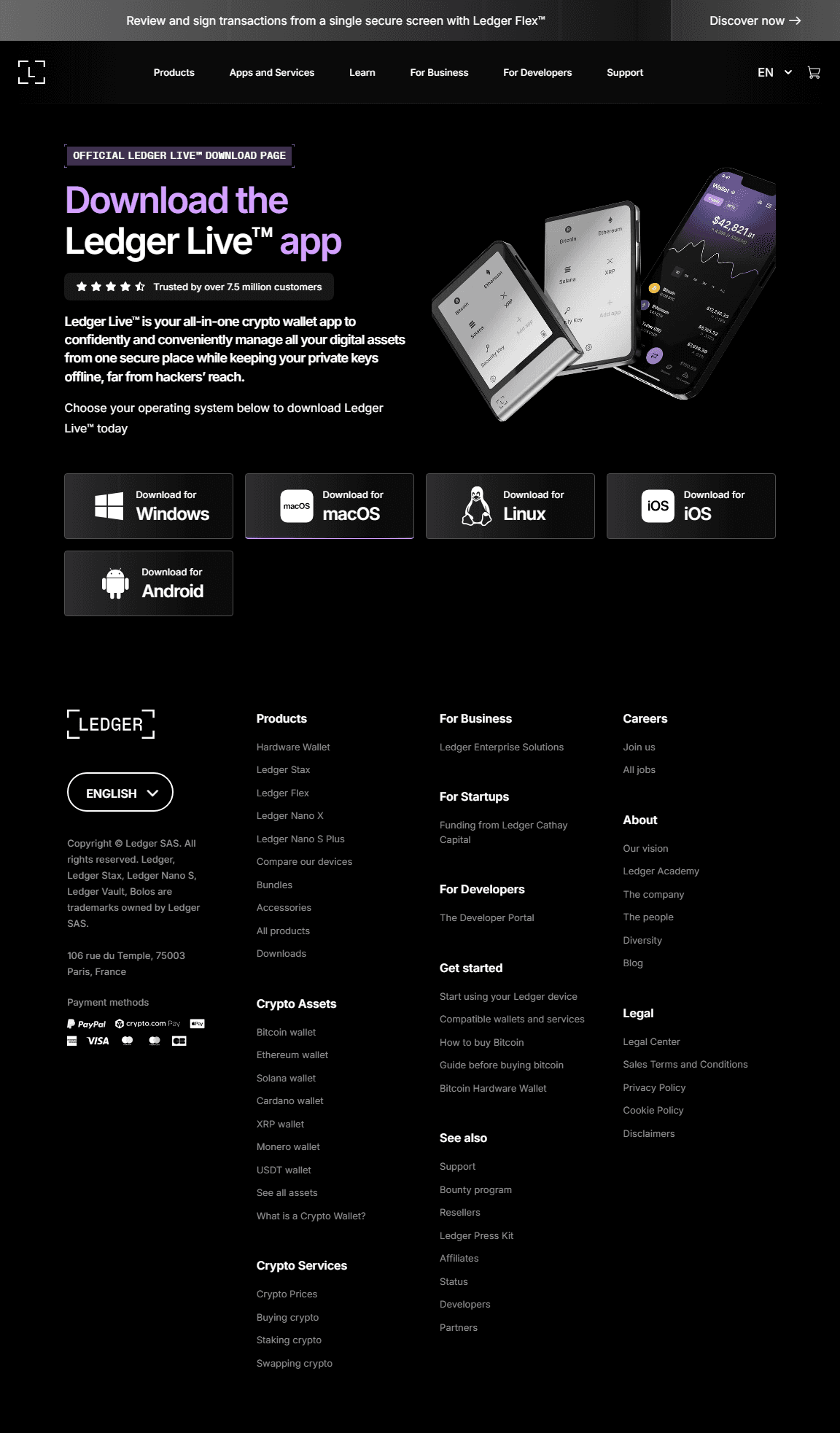
Ledger Live Login: Comprehensive Guide to Secure Access
As cryptocurrency adoption grows, securely managing digital assets has become more critical than ever. Ledger Live is the official application for Ledger hardware wallets, including the Ledger Nano S and Nano X. It allows users to monitor, send, receive, and stake cryptocurrencies while ensuring the private keys never leave the hardware device. Logging into Ledger Live is a key step that combines security with accessibility, and understanding this process is essential for both beginners and experienced crypto users.
This guide explains the Ledger Live login process in detail, explores security features, common issues, troubleshooting tips, and best practices for safe and reliable access.
Understanding Ledger Live and Its Login System
Ledger Live is a cross-platform application available for desktop (Windows, macOS, Linux) and mobile (iOS/Android). It acts as the interface between the user and their Ledger hardware wallet. Unlike web-based wallets or exchanges, Ledger Live does not store private keys online. Instead, all sensitive data remains securely on the Ledger device.
Login in Ledger Live differs from conventional platforms: you don’t use email/password combinations to access your wallet. Instead, access depends on:
Ledger Device Authentication: Physical confirmation on the device is required for security.
Optional App Password: On desktop, you can set a password to protect Ledger Live itself.
Biometric Authentication: On mobile, fingerprint or Face ID can secure the app.
Understanding these elements is key to ensuring both security and convenience during login.
Step-by-Step Ledger Live Login Process
Step 1: Install Ledger Live
Download Ledger Live from the official Ledger website or verified app stores.
Confirm the source is authentic to avoid phishing attacks or malicious software.
Install the application following on-screen instructions.
Step 2: Connect Your Ledger Device
Connect your Ledger Nano S or Nano X to your computer via USB (or Bluetooth for Nano X).
Enter the device PIN code to unlock it.
Launch Ledger Live on your computer or mobile device.
Step 3: Open or Set Up Ledger Live
Upon launching Ledger Live, you have two options:
Initialize a new wallet: If you’re a new user, create a new wallet following Ledger Live’s setup instructions.
Restore an existing wallet: Enter the 24-word recovery phrase from your Ledger device to restore accounts.
Step 4: Add Cryptocurrency Accounts
Ledger Live organizes funds by cryptocurrency. To add an account:
Select the cryptocurrency from the supported list.
Ledger Live communicates with the device to fetch the public address.
Confirm the account on the device.
After completing this, the wallet is ready for use, and you can view balances, send and receive funds, or stake supported assets.
Step 5: Secure App Login
On desktop, you can set a password to protect Ledger Live from unauthorized access.
On mobile, enable fingerprint or Face ID authentication for convenience and security.
Even with these measures, transactions require physical confirmation on the Ledger device, ensuring private keys remain offline.
Security Features Related to Ledger Live Login
Security is a major focus of Ledger Live. Features that protect login and access include:
Hardware-Based Authentication: Login requires the physical device, preventing remote hacks.
PIN Protection: Prevents unauthorized access to the Ledger device itself.
Recovery Phrase Backup: A 24-word phrase allows restoration of the wallet if the device is lost or damaged.
Optional Ledger Live Password: Adds a software-level protection for app access.
Biometric Access on Mobile: Fingerprint or facial recognition adds convenience without compromising security.
These measures make Ledger Live one of the safest ways to manage cryptocurrency while maintaining an intuitive user experience.
Why Ledger Live Login Is Different from Traditional Logins
Unlike web platforms, Ledger Live:
Does not use email/password combinations to access accounts.
Relies on physical device authentication.
Ensures that private keys never leave the device, even during login.
Provides optional software-level security via app passwords or biometrics.
This approach maximizes security while slightly altering the typical login process compared to traditional online accounts.
Common Ledger Live Login Issues and Solutions
Even with a secure system, users may face challenges. Here are the most common issues and recommended fixes:
Device Not Recognized
Ensure the USB connection is secure.
Try a different cable or port.
Verify that Ledger Live is updated to the latest version.
Ledger Live Freezes or Crashes
Restart Ledger Live and reconnect the Ledger device.
Clear the app cache or reinstall the software.
Check for operating system compatibility issues.
Incorrect PIN or Forgotten PIN
Entering the wrong PIN three times will reset the device, erasing all data.
Restore access using the 24-word recovery phrase.
App Password Issues
If you forget your Ledger Live app password, it can be reset by reinstalling the application.
Recovery of accounts is always possible using the 24-word recovery phrase.
Transaction Issues After Login
Verify recipient addresses and network fees before confirming transactions.
Check the blockchain explorer if transactions appear pending.
Best Practices for Ledger Live Login and Security
Secure Your Recovery Phrase: Store the 24-word phrase offline in a safe location.
Use a Strong PIN: Avoid easily guessable codes for the Ledger device.
Set a Ledger Live Password: Adds an extra layer of protection on desktop.
Enable Biometric Login: Use fingerprint or Face ID on mobile for added convenience.
Keep Software Updated: Always update Ledger Live and device firmware.
Avoid Public Networks: Login and transactions should only be conducted on secure, private networks.
Confirm Transactions on Device: Never approve transactions only via software.
Following these practices ensures your cryptocurrency remains safe while using Ledger Live.
Benefits of Secure Ledger Live Login
Enhanced Security: Combining hardware device authentication with software-level protections.
Peace of Mind: Private keys never leave the hardware device.
Convenience: Biometric and app password options simplify login without sacrificing security.
Universal Access: Manage multiple cryptocurrencies from a single interface.
Portfolio Overview: Track balances, send and receive crypto, and stake assets securely.
Ledger Live login is a gateway to managing your assets safely, and proper use ensures full control over your cryptocurrencies.
Conclusion
Ledger Live login is a crucial step in managing cryptocurrency securely. Unlike traditional logins, it relies on hardware authentication, optional app passwords, and biometric protection, ensuring private keys are never exposed online. By understanding the login process, enabling all security features, and following best practices, users can access Ledger Live safely and efficiently.
After logging in, Ledger Live provides a robust interface for monitoring portfolio value, sending and receiving cryptocurrencies, staking, and even exchanging assets securely. Whether you are a beginner or an experienced investor, mastering Ledger Live login ensures that your assets remain protected while offering seamless access to the crypto ecosystem.
Ledger Live combines security, convenience, and usability, making it one of the most trusted platforms for managing cryptocurrencies safely. Proper login practices are not just a step—they are a cornerstone of your crypto security strategy.